
Tactical Analysis
Middle-Overs Wrist-Spin: How Captains Control Tempo and Risk
This is a tactical backgrounder on why teams often hold wrist-spin for overs 8–15: not as match-by-match reaction, but as a repeatable captaincy method to shape decision quality, scoring tempo, and chase pressure.
By Bharat.cricket Analysis Desk
Evergreen analysis
5 min read
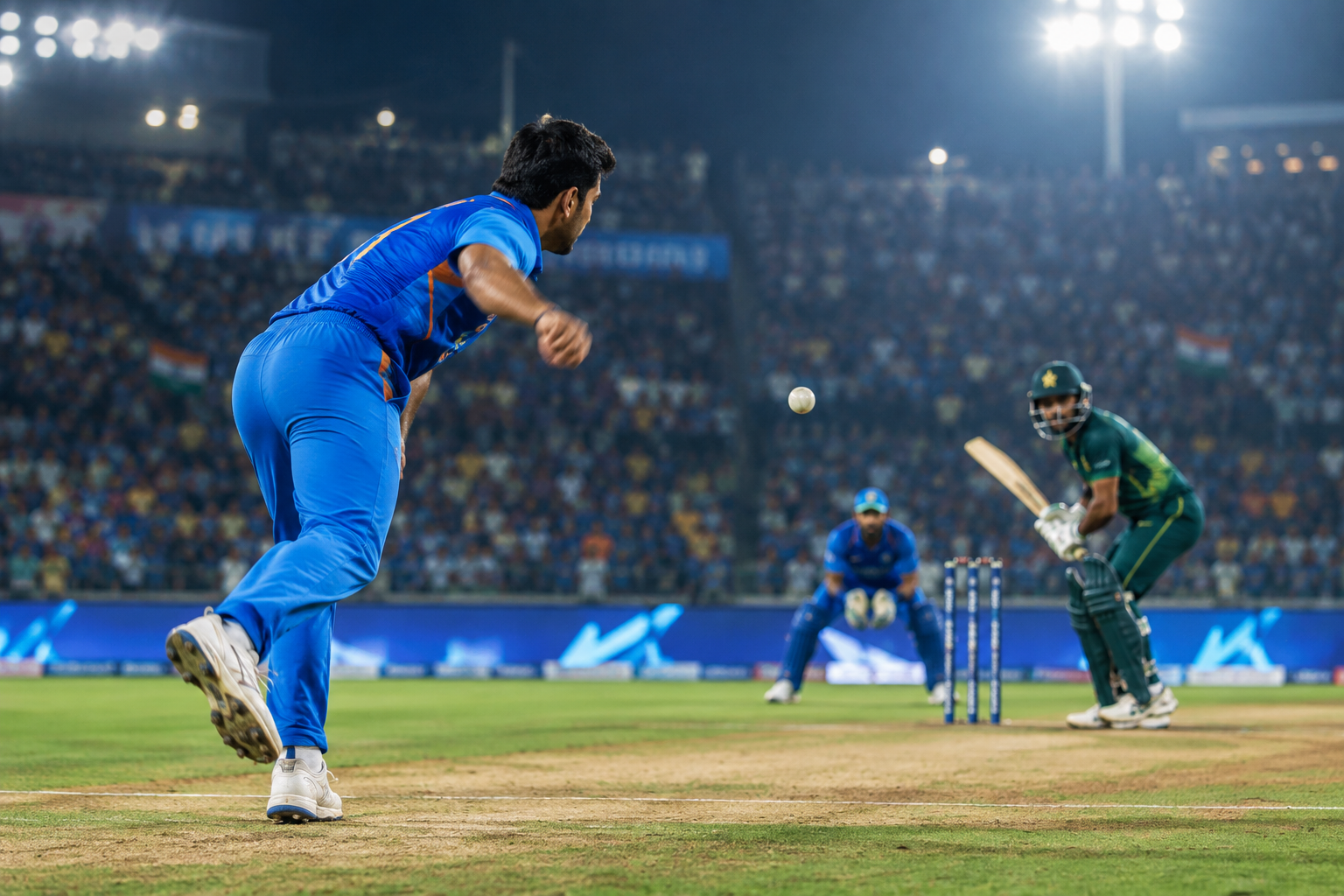
Wrist-spin in the middle overs is best understood as a control tool, not just a wicket bet. Captains use it when batting sides are trying to do two things at once: keep run-rate momentum while preserving wickets for the final phase. That dual objective creates hesitation, and hesitation is where wrist-spin gains value.
The key mechanism is decision friction. Batters must read release, line, and dip quickly while also managing matchups and boundary options. Even without extreme turn, that extra layer of uncertainty can slow intent by a few balls, and those few balls often alter the next over’s risk profile.
The squeeze window is a tempo decision zone
Overs 8–15 frequently act as the innings hinge. If wrist-spin keeps this phase near six-to-seven per over, batting sides are pushed toward earlier aggression against less favorable bowlers. If they stay conservative, the required rate drifts upward. In both outcomes, the bowling side has influenced tempo without needing a collapse.
“Middle overs are where innings direction is priced: wrist-spin shifts the cost of every scoring choice.”
Captaincy risk maps, not just bowling rotation
Field settings around wrist-spin usually reflect guided risk rather than pure defense. Captains may concede one release shot while protecting square boundaries or vice versa, steering batters toward lower-value options. The aim is to channel aggression, not eliminate it.
That is why this pattern persists across formats and conditions: it is rooted in decision architecture. Saving wrist-spin for the middle phase lets captains influence when opponents accelerate, where they attack, and how much pressure carries into the finish.