
Tactical Analysis
Evergreen Background
How India Builds Pressure Chases: A Practical Template for Tempo, Rotation, and Finishing Control
This page is a tactical explainer, not a report on one specific match. It breaks down the repeatable chase patterns India often uses under scoreboard pressure: risk-managed rebuilds, strike rotation, matchup targeting, and structured acceleration late in the innings.
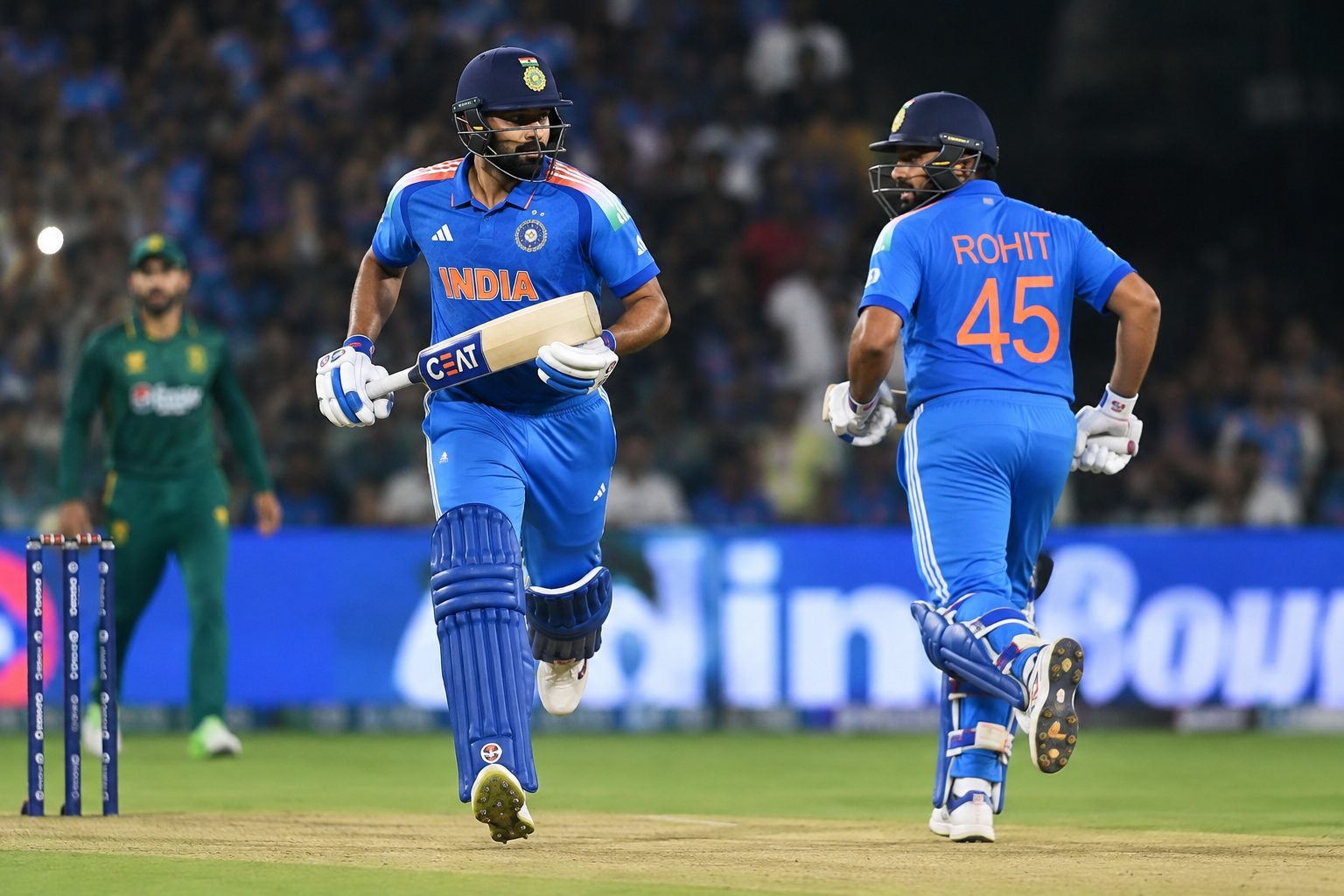
In high-pressure chases, the hardest skill is not power hitting; it is keeping the innings connected when early wickets or dot-ball patches raise the required rate. This analysis looks at India’s recurring method in those situations: protect wickets, move the game in singles and twos, and delay high-risk hitting until matchups improve.
Rather than reading one isolated innings, the goal here is to map a decision framework readers can spot across multiple games. The same cues appear repeatedly: who takes strike after a boundary, which overs are used for consolidation, how left-right combinations are managed, and when set batters shift from rate protection to controlled attack.
Phase 1: stabilize the chase through low-variance scoring
The rebuild phase is about reducing volatility. Batters prioritize strike rotation over highlight shots, using soft hands into gaps and hard-run twos to keep the board moving. This lowers the pressure of “must-boundary” overs and prevents the required rate from spiking into panic territory.
Matchup management sits at the center of this phase. Against strong spin overs, risk is minimized through late contact and placement. Against less threatening bowlers, intent rises in short bursts without abandoning shape. The objective is simple: arrive at the final stretch with wickets in hand and at least one settled batter controlling tempo.
“Pressure chases are usually decided before the fireworks: rotation quality, matchup discipline, and communication between partners create the platform for the finish.”
Phase 2: accelerate late with matchup-led finishing
Once the equation narrows, India’s better chase finishes tend to avoid all-out swings at every ball. Finishers attack specific length and line errors, force field changes with placement, and keep percentage options available if a boundary ball does not arrive immediately.
The late overs then become a control problem, not a chaos problem: maintain composure, target the right bowlers, and convert set-batter value into clean closure. For readers, this is the key takeaway from the template—successful chases are often built as phased tempo plans, not improvised rescue acts.